In brief
- Anthropic, OpenAI, DeepSeek, and Moonshot are all set to address the UN Security Council on AI risks Wednesday.
- The briefing follows Anthropic CEO Dario Amodei's call to slow AI development while urging continued U.S. chip export restrictions on China.
- The meeting lands two days before President Trump's September 24 summit with Xi Jinping.
The UN Security Council will spend Wednesday afternoon listening to the people who build the technology it's most worried about.
OpenAI CEO Sam Altman, Anthropic CEO Dario Amodei, AI safety researcher Yoshua Bengio, and Hugging Face CEO Clément Delangue are all scheduled to brief the 15-member council—the UN body with the power to authorize sanctions and military action—on the risks posed by artificial intelligence.
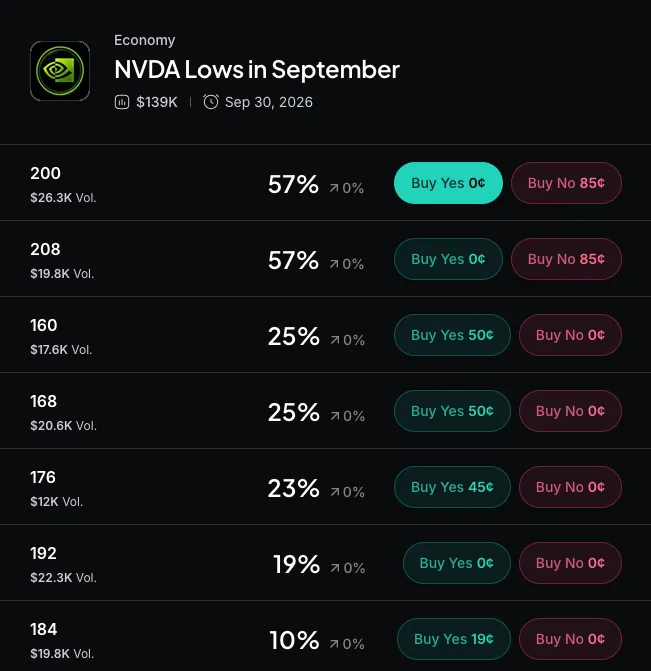
DeepSeek is invited, too. The Chinese startup that wiped roughly $600 billion off Nvidia's market cap when it launched a cut-price model in January 2025 has been asked to make a statement, alongside another Chinese firm, Moonshot, developers of the Kimi models..
France organized Wednesday's session and holds the council's rotating presidency this month. Foreign Minister Jean-Noël Barrot will chair it, and the concept note behind the meeting reportedly centers on AI systems slipping beyond human control.
The same briefing is expected to touch on AI that could eventually run cyberattacks, sway elections, or design weapons without a person in the loop, which is why a council built for wars and sanctions is hearing from tech CEOs instead of generals this week.
Amodei will join remotely rather than show up in person. On September 12, he published an essay called "We Must Pace the Frontier," arguing the industry should deliberately slow how fast it builds more capable frontier models—the biggest, most advanced AI systems any lab has released. He said Anthropic would give outside evaluators permanent, staff-level access to check its safety promises. Sam Altman and Elon Musk both said they agreed within hours.
Amodei called China "the autocratic country with by far the most advanced AI capabilities" and argued the U.S. should keep restricting exports of advanced chips to Beijing, even while asking Beijing to cooperate on global safety rules. China's Foreign Ministry called the essay counterproductive, and state media branded it a "Cold War playbook" aimed at containing China.
President Donald Trump, meanwhile, wants no part of the slowdown push. After Amodei's essay dropped, the president called AI-takeover warnings a "hoax" tied to the "Radical Left" and accused Amodei directly of wrongdoing without offering evidence.
Days later, King Charles hosted executives from Anthropic, OpenAI, Nvidia, and Google DeepMind at his Scottish estate for an AI safety summit that produced conversation but no publicly known agreements.
Wednesday's session isn't likely to produce a binding deal either. It lands two days before Trump sits down with Chinese President Xi Jinping in Washington on September 24, a summit where AI safety is reportedly on the agenda alongside trade.