
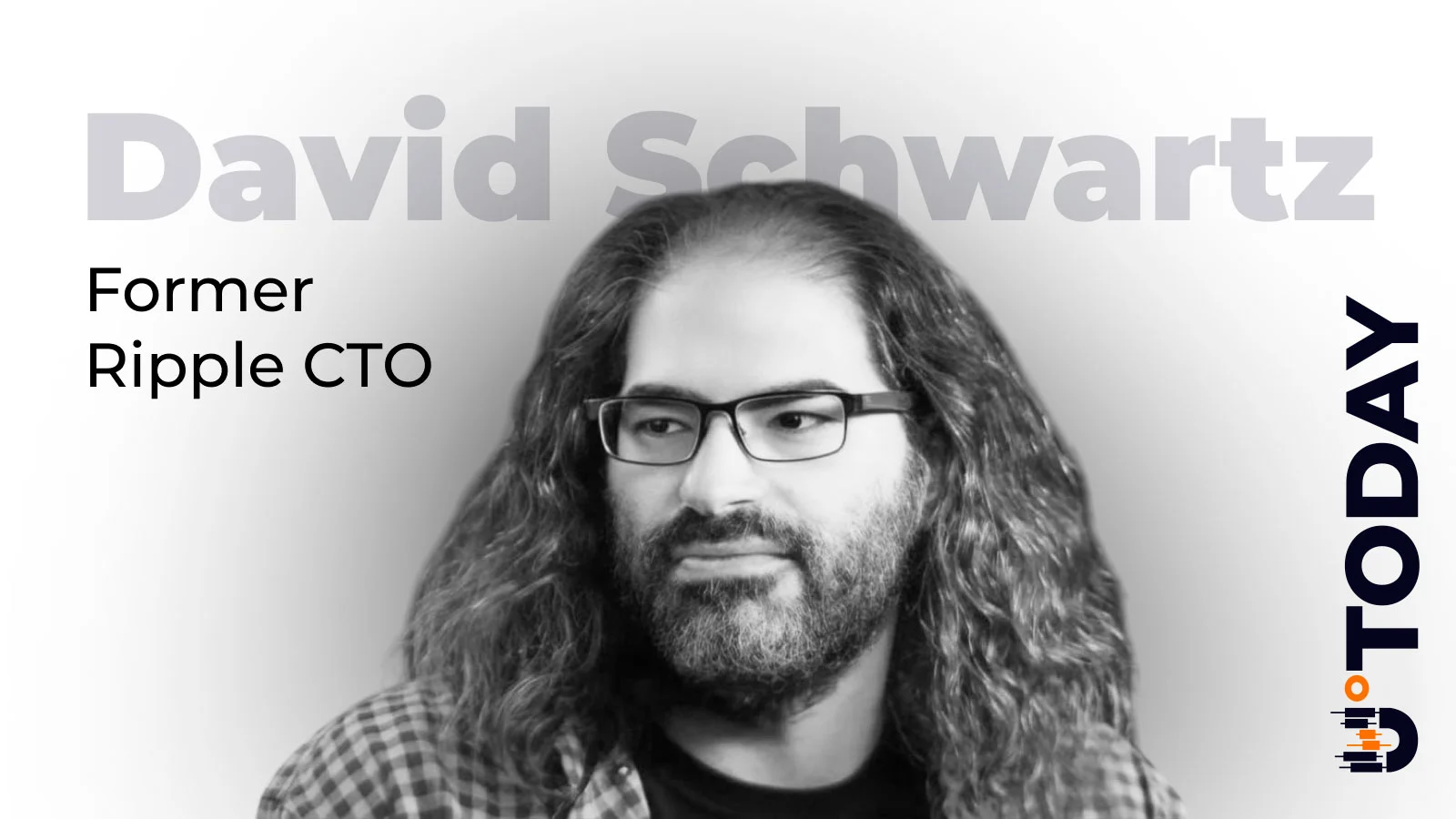
Ripple CTO Emeritus David Schwartz has joined an ongoing debate about why major cryptocurrency exchanges, including Coinbase, are reluctant to list a new Bitcoin-based asset built on a separate chain.
The discussion started after an X user raised concerns on the matter, asking why platforms such as Coinbase, Kraken, and Trezor that had previously shown support for several Bitcoin forked assets are now ignoring Bitcoin BLAKE2b.
What is Bitcoin BLAKE2b?
It is important to note that Bitcoin BLAKE2b is a separate chain that emerged from Bitcoin and uses the BLAKE2b mining algorithm instead of Bitcoin's traditional SHA-256.
Just like Bitcoin BLAKE2b, there have been multiple Bitcoin forks that were also launched on separate chains in the past, which include Bitcoin Cash and Bitcoin SV.
Notably, the concern seems to have perceived the judgment of these exchanges as unfair, as they had offered access to older Bitcoin forks like Bitcoin Cash, allowing users to trade the assets as they continued to gain traction.
Nonetheless, the BLAKE2b-based chain has witnessed a different reception among exchanges and wallet providers, which has raised concerns among crypto users.
David Schwartz spotlights possible engineering issues
In response to the question raised, David Schwartz suggested that the exchanges might be adopting replay protection mechanisms to hedge against possible vulnerabilities, especially when dealing with a newly split asset.
While Bitcoin and a newly forked network can share the same transaction history before the split, he explained that Bitcoin BLAKE2b is prone to engineering flaws that could cause traders to lose their funds.
To ensure security, exchanges need to adopt adequate protection measures like replay protection to ensure that a transaction made on one chain cannot unintentionally be processed on another chain after a fork.