News Center

CLARITY Act Stalls in Senate, Could Bring Back Crypto Middlemen: GenLayer CEO
 BTCpermissioned systemscrypto regulationCLARITY Act





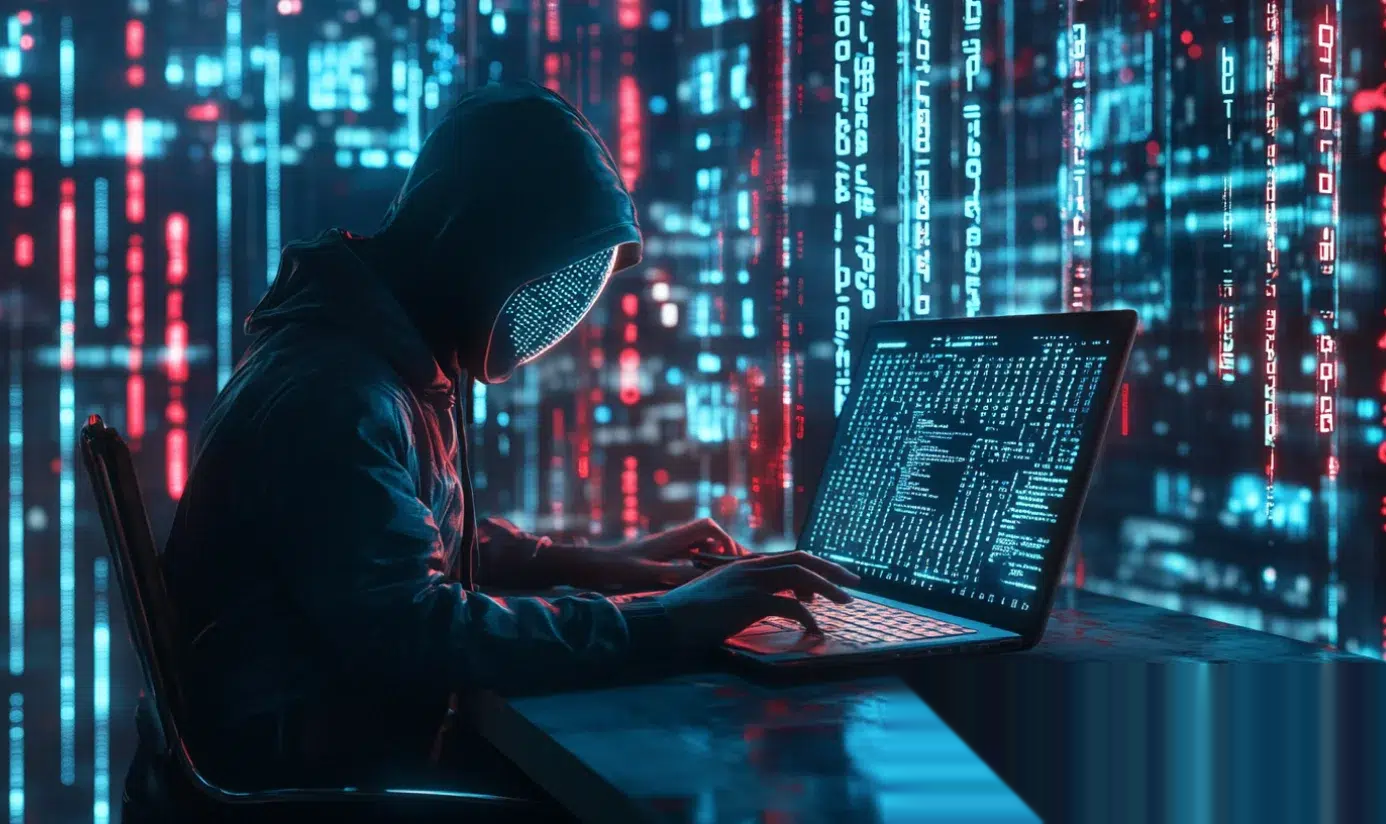
North Korean Hackers Stole 7,000 Crypto Wallet Records, Japan Says
Japan's National Police Agency reported on September 18 that WaterPlum, a North Korea-linked hacking group also known as the "Contagious Interview" threat campaign, infected over 30,000 devices across more than 100 countries and regions between December 2025 and July 2026, stealing more than 7,000 crypto wallet records. The affected wallets received at least 1.7 billion yen (about $10.7 million). Posing as crypto, AI, and NFT companies, the attackers lured developers through social media and job platforms with fake interviews and coding tests that delivered malware. Japanese and U.S. authorities have linked the group and some North Korean IT workers to Bureau 313 of the Workers' Party of Korea's Munitions Industry Department. Japan also dismantled a laptop farm used for remote job applications.
3 hours ago
Another XRP Scam Busted: Ripple Veteran David Schwartz Personally Calls Out Fake Airdrop
Ripple CTO Emeritus and XRP Ledger architect David Schwartz personally exposed a fake airdrop scam targeting XRP users on X. Scammers used hacked accounts to promote a bogus Xaman wallet airdrop in comment sections, and Schwartz shut it down with a meme, prompting a wave of user reports that got the fraudulent accounts banned. The incident highlights ongoing systemic attacks on XRPL wallets, including hidden buy orders in NFT spam designed to drain XRP balances, leaving retail safety largely dependent on personal vigilance and swift manual responses from executives.
 XRPDavid SchwartzFake AirdropXaman Wallet
8 hours ago
Scam Alert: Charles Hoskinson and Cardano's YouTube Channels Hacked — Don't Click Any Links
The YouTube channel of Input Output Group appears to have been hacked, with AI-generated videos impersonating Cardano founder Charles Hoskinson to promote a fake crypto giveaway using a "double your money" lure and QR codes designed to trick users into sending funds. Both Hoskinson and IOG have issued warnings urging users not to click any links, scan QR codes, or send money until the channel is back under control. The article notes that the Cardano network itself was not compromised — the risk is limited to those who interact with the hijacked channel.
 ADACharles Hoskinsongiveaway fraudYouTube hack
10 hours ago

Cardano's IOG Warns Users After YouTube Channel Hijacked
Input Output Group (IOG) warned Cardano users on September 18 to steer clear of its hijacked YouTube channel, which aired what appeared to be an AI-generated deepfake of Charles Hoskinson. The fake livestream, disguised as a Project Catalyst town hall, urged viewers to scan a QR code to "double their money" — a scam. IOG told users not to click links, send funds, or share personal information, but did not explain how the channel was taken over or confirm whether control had been restored. Cardano's ecosystem has faced repeated YouTube giveaway scams over the years, including hijacked channels impersonating its leaders.
ADACharles HoskinsonYouTube hijackphishing scam12 hours ago

South Korea Stock Scam Losses Hit $250 Million
South Korean retail investors lost about $250 million to stock recommendation chatroom scams in the first half of 2026, with police investigating 3,506 cases worth 336 billion won. Losses rose 19.8% year-on-year while case numbers grew just 4.1%. In June, Seoul police arrested 10 suspects tied to a 9.9 billion won Cambodia investment fraud that used fake brokerage apps and AI-generated stock pitches. Financial regulators launched a September awareness campaign warning about impersonation, fake news, and guaranteed-return investment scams. The article does not discuss any specific cryptocurrency.
2026-09-17

Balancer Proposes Shutting Down After Post-Exploit Revenue Fails to Recover
Balancer has proposed winding down its decentralized exchange protocol and returning over $9 million in remaining treasury assets to BAL holders. The restructuring failed to generate sufficient revenue after a $128 million exploit in November 2025. Monthly protocol revenue fell from $1.13 million in October 2025 to $371,000 in November, and just $56,781 by August 2026. Liquidity providers must prepare to exit by October 30, while BAL holders will vote from September 25 to 29.
 BALtreasury distributionprotocol wind-downexploit aftermath
2026-09-15

Law Firm Files Surface on Dark Web Amid Surge in Cyberattacks
A limited number of documents from law firm Greenberg Traurig have appeared on the dark web after unauthorized actors accessed them. In 2025, BakerHostetler handled nearly 60 cyber incidents involving law firms, with several disclosing breaches affecting client identities, Social Security numbers, and health records. Crypto wallet providers have also reported customer data leaks and phishing attacks via third-party service providers. The article does not discuss any specific crypto projects, only mentioning reports linking Bitcoin to dark web opium sales.
2026-09-12

BIS Warns AI Could Shrink Banks' Patching Window to Minutes
The Bank for International Settlements' Financial Stability Institute warns that advanced AI has compressed the time banks have to fix software vulnerabilities from weeks to mere minutes. AI can rapidly uncover flaws and turn them into working exploits, outpacing banks' routine security reviews and fixed maintenance cycles. The report urges banks to speed up security decisions, patching, and cyber recovery, and to elevate cyber response to senior management. The UK's FCA and the Institute of International Finance have also pressed firms to break from standard maintenance schedules and install emergency fixes promptly.
2026-09-12

Law Firm Cyberattacks Nearly Double as Stolen Files Surface on Dark Web
Law firms are facing a sharp rise in cyberattacks, with Greenberg Traurig confirming unauthorized access to files later posted on the dark web. BakerHostetler handled nearly 60 law firm-related security incidents in 2025, almost double the 2024 figure. Breaches and lawsuits have also hit Taft, Herbert Smith Freehills Kramer, and WilmerHale. Meanwhile, crypto firms Coinbase, Ledger, and SafePal disclosed customer data leaks, though funds and private keys were unaffected.
2026-09-11

US DOJ Freezes Over $52M in Crypto with Tether's Help
The US Department of Justice, with Tether's assistance, took enforcement action against a network tied to Chinese-language scam marketplace Xinbi Guarantee, restraining over $52 million in crypto and targeting 49 wallets in a single day. Two wallets were seized involving roughly $12 million in payments, while restraining orders were sought for the other 47. Tether says it has helped 340 agencies across 67 countries freeze over $5 billion in assets. The article notes Xinbi is not just a single scam site but a hub offering money laundering, fake investment platforms, and human trafficking recruitment services to fraud groups.
 USDTmoney launderingXinbi Guaranteeasset seizure
2026-09-11